Szeklerland occupies a special place on the map of religious tourism. Its historical shrines, sacred sites and tradition of pilgrimages all contribute to the growing number of people who travel there every year for spiritual reflection, cultural discovery and communal experiences.
Why should you make a pilgrimage to Szeklerland?
The pilgrimages in Szeklerland are not only religious, but the beauty of the landscape and its historical heritage offer a unique experience. The closeness to nature, the preservation of traditions and the hospitality of local communities all contribute to the physical and spiritual enrichment of the pilgrimage.
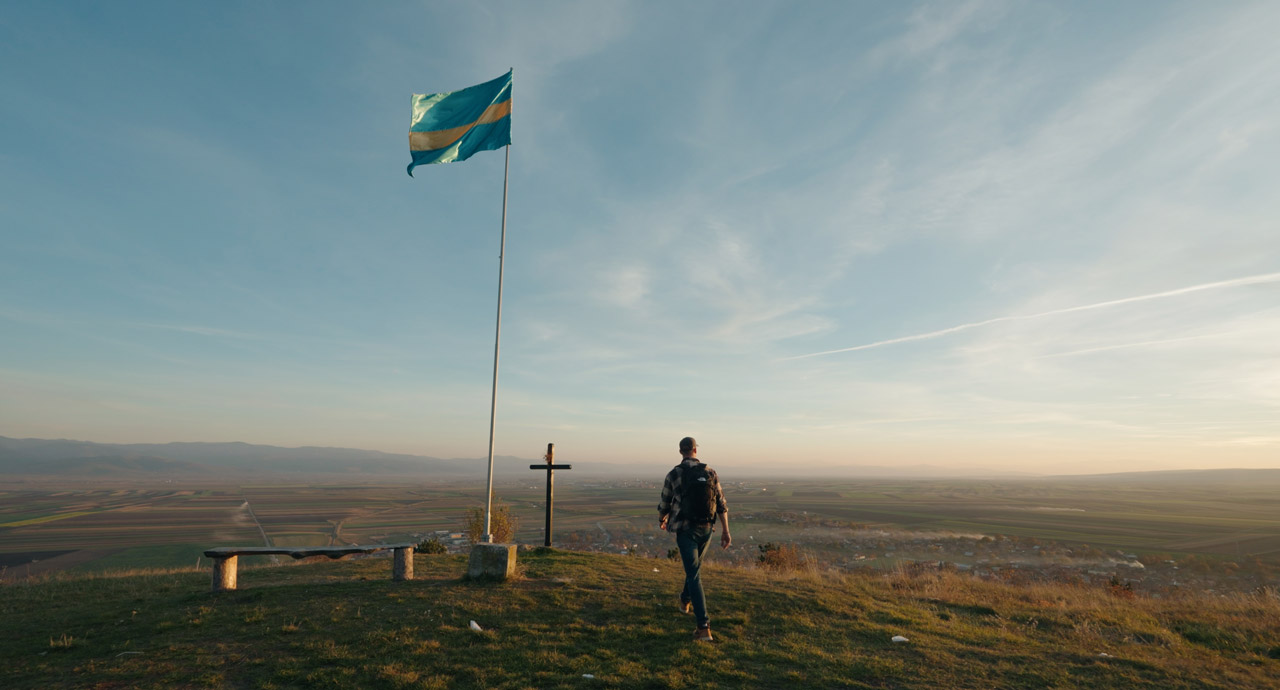
How to prepare for a pilgrimage?
The pilgrimage requires physical and spiritual preparation. It is worth planning the route in advance, choosing the right equipment and being prepared for the changeable weather.
Along the pilgrimage routes, there are numerous shrines and guesthouses offering overnight accommodation. Advance booking is recommended. Interactive maps and GPS coordinates are also available for pilgrims to download for easy planning.
Featured pilgrimage routes
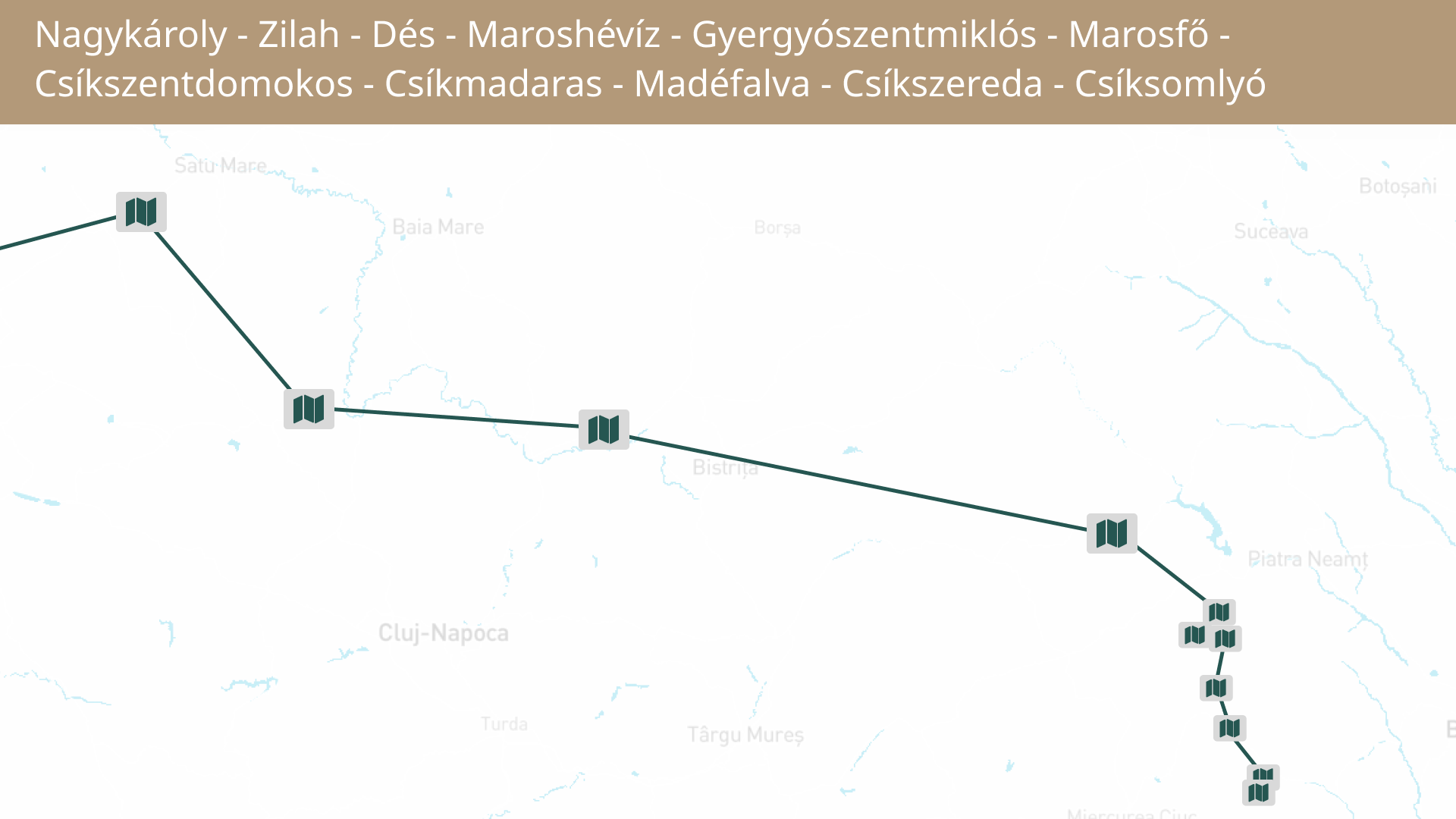
Pilgrimage to Csíksomlyó
Distance:
20-50 km (different departure points)
Starting point:
From several settlements in Transylvania and Szeklerland
Attractions:
Crossroads, chapels, shrines.
Significance:
The Csíksomlyó Farewell is one of the most important religious and cultural events of the Hungarian nation.
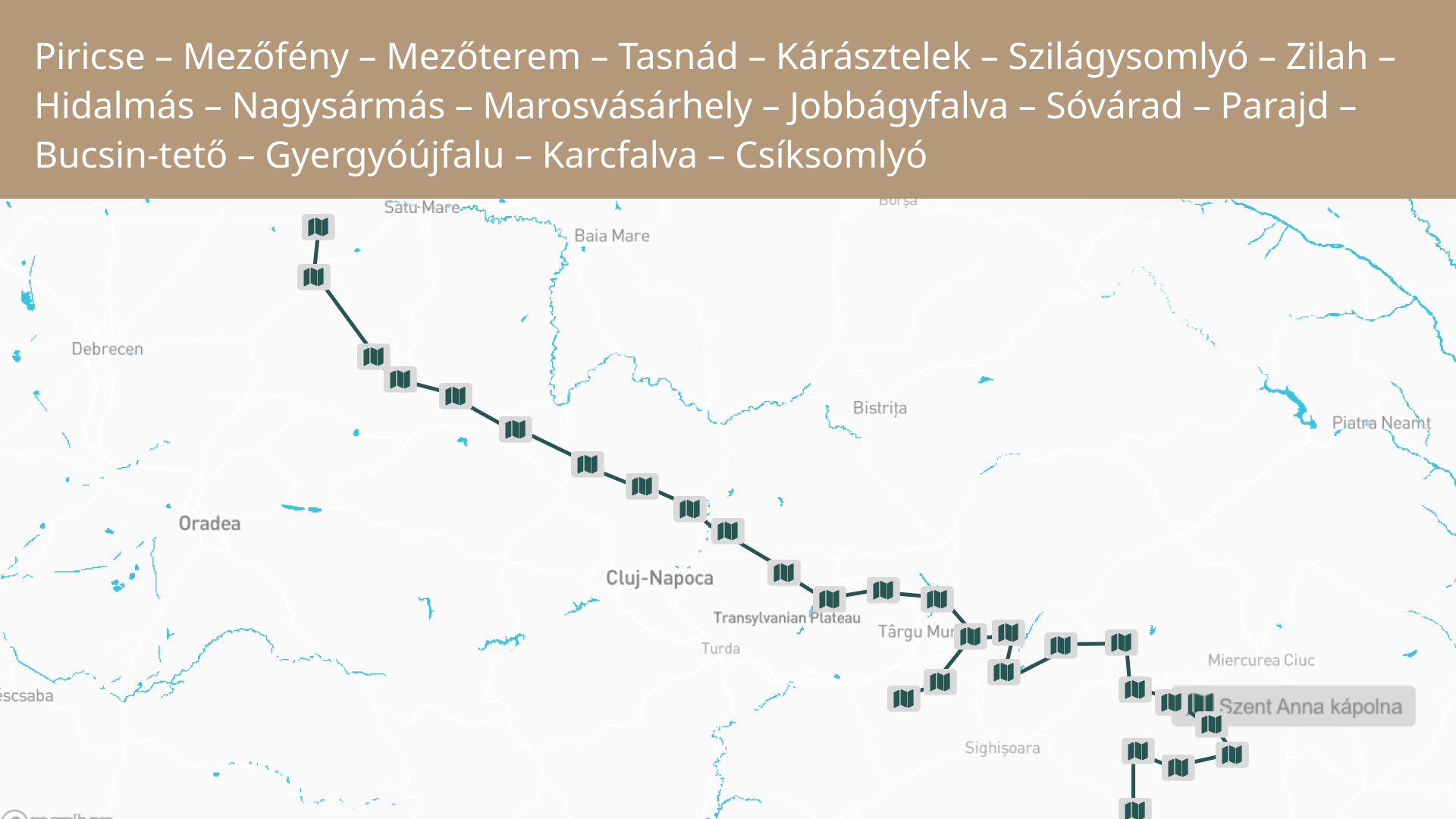
Way of Mary - Szeklerland section
Distance:
100+ km, can be driven in instalments
Starting point:
Csíksomlyó, Mikháza, Gheorgheni
Attractions:
Franciscan monasteries, monasteries, churches, holy wells.
Significance:
The Way of Mary connects the most famous Marian Shrines of Central Europe, offering spiritual reflection and a community experience.
Szent László Way
Distance:
It is variable, consisting of several phases.
Starting point:
Various settlements in Szeklerland
Attractions:
Korondi St. László Chapel, St. László Rock.
Significance:
A route based on the legends and miracles of King Saint László, which serves to preserve Christian traditions and the Hungarian historical heritage.