Anyone who visits Szeklerland will quickly notice: the churches in the neighboring villages often belong to different denominations. In Csík, there are Baroque-towered Catholic churches, while in Háromszék and Marosszék there are Reformed congregations, and in Udvarhelyszék and Erdővidék there are Unitarian communities that preserve the faith. This diversity is the legacy of the unique religious tolerance of Transylvania in the 16th century.
Reformation and religious freedom in Transylvania
In the 16th century, the Reformation spread rapidly in the Principality of Transylvania. In 1568, the Torda Assembly declared the freedom of preaching: priests were free to proclaim their faith, and communities could choose whom to follow. This decision is considered one of the first religious freedom laws in Europe. In the Principality, four established religions – Roman Catholicism, Evangelicalism, Reformism, and Unitarianism – enjoyed equal rights, while Orthodox faith continued to exist as a tolerated religion.
The Catholic Csík and the Franciscans
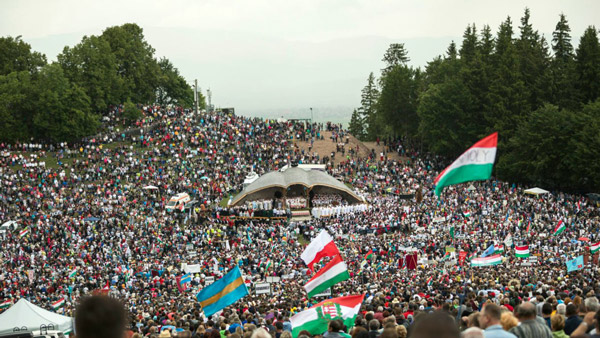
The Szekler region of Csík, Gyergyó and Kászon largely remained within the Catholic faith – the Franciscans played a key role in this. Since Csíksomlyó 1442 it has been a place of pilgrimage; the chapel dedicated to the Virgin Mary was carved from hornbeam and the 227 centimeter high statue of Mary was made in the early 16th century and survived the 1661 Tatar-Turkish devastation as well. Ignác Batthyány, the Transylvanian bishop, recognized it as miraculous in 1798.
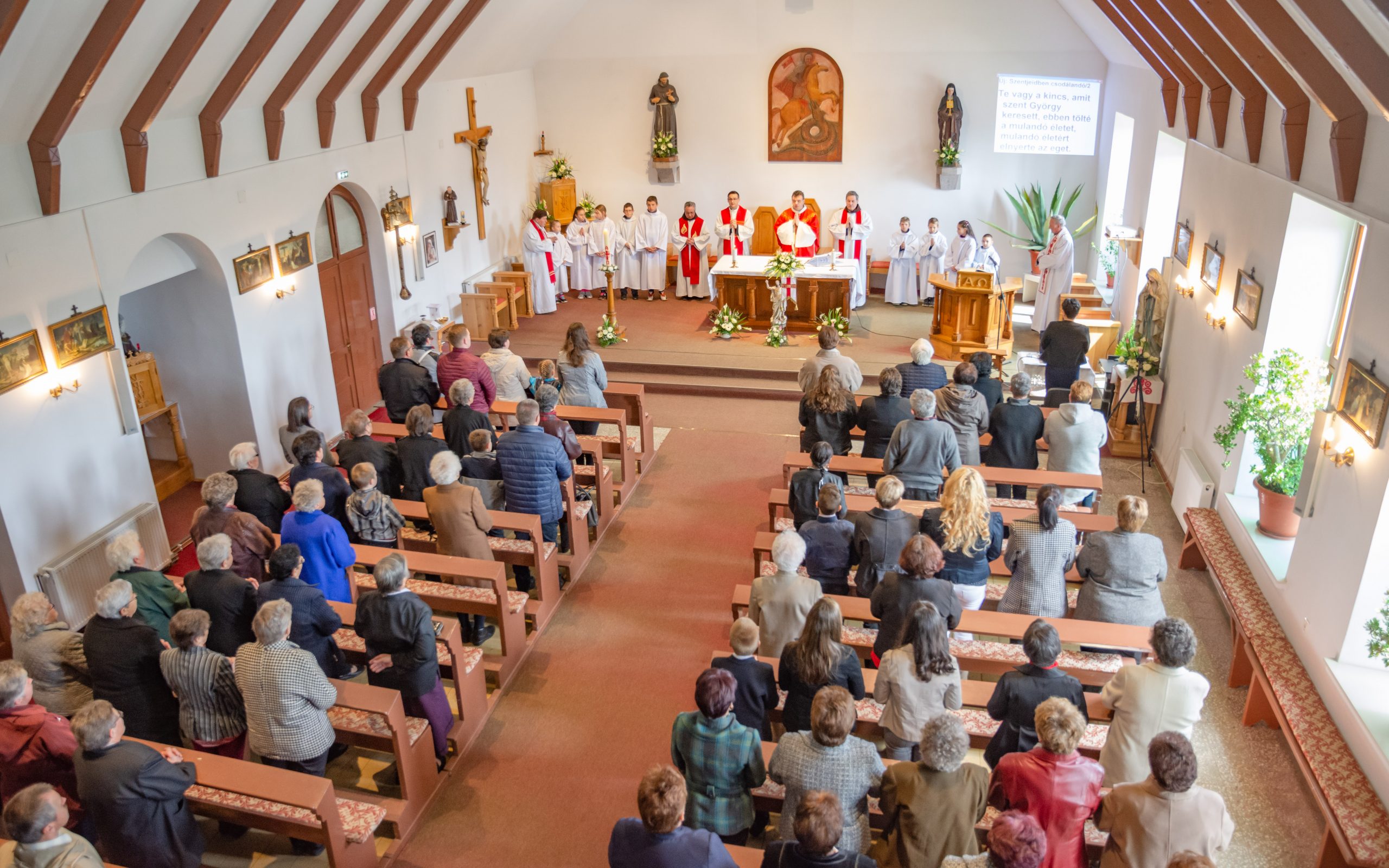
The Franciscan presence in Háromszék is also decisive. The first monk arrived in 1677; the parish church was blessed on October 1, 1690; the present church was built between 1710 and 1729 using elements from the former St. George Chapel; the stone monastery was completed in 1750. The church and the monastery are still an important center of faith in the area today.
Református Háromszék és Marosszék
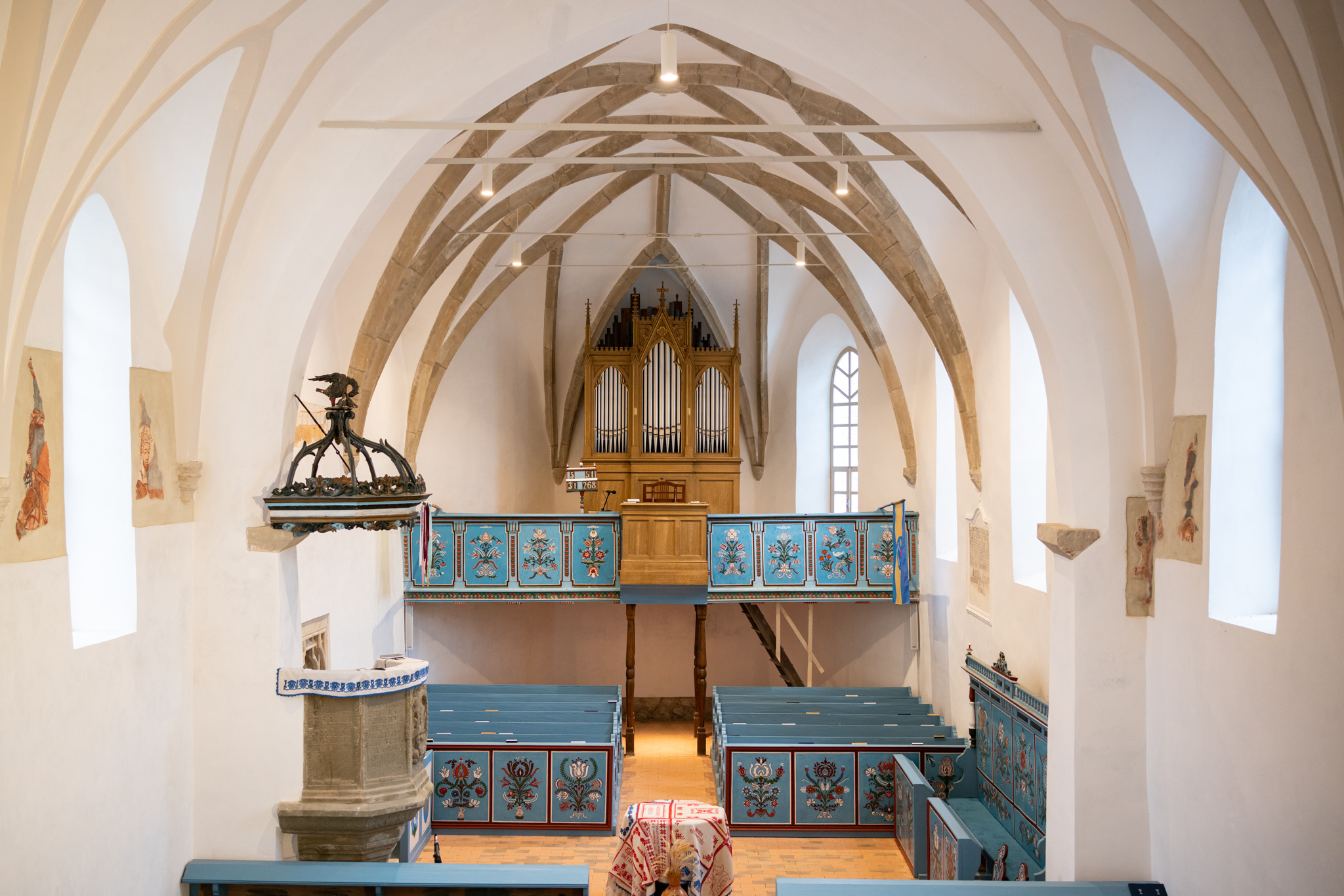
The interior of the Reformed churches conforms to the creed: there are no altarpieces or statues; the focus is on the pulpit and the altar rail; the decoration is provided by the painted barrel-vaulted ceiling, the carved pulpit crown and the pulpit. This clean-lined spirit is reflected in the Wartburg Cathedral in Sepsiszentgyörgy and the Reformed Cathedral in Dálnok, whose medieval foundations have survived after the 16th-century renovation. The old trees in the churchyards preserve the memory of the community.
The Unitarian Parish of Udvarhelyszék and the Forest Region
The Unitarian Church considers 1568, the year of the Torod County Assembly, to be the year of its founding; its first bishop was David Ferenc. The Unitarian faith was mainly rooted along the Homoród and Nyikó rivers, as well as in the Erdővidék region, and today its most famous churches Székelyderzs and Nagyajta fortresses as well as Homoródkarácsonyfalva medieval walls show that the congregations maintained the medieval churches for centuries – thus these walls have remained with us.
Temples and farewells
The highlight of the Catholic communities’ celebrations is the farewell, the celebration of the patron saint or title of the church, to which pilgrims also come from the surrounding villages. Among them stands out the farewell in Csíksomlyó, Pünkösdi, where hundreds of thousands from all parts of the Carpathian Basin come. More about this can be found here Csíksomlyó Secrets You can read it in our article titled "Hungary".
How to visit?
- On Sunday mornings, most churches have services or masses – at these times you can be part of the community, but it is not a good time for a visit.
- On weekdays, you can usually ask for the key from the parish priest or the caretaker.
- As a visitor, the quiet, respectful presence is sufficient everywhere; ask for permission to take photos.
- The contact details of the parishes are available at Peregrinus Church communities We collected it on his side.