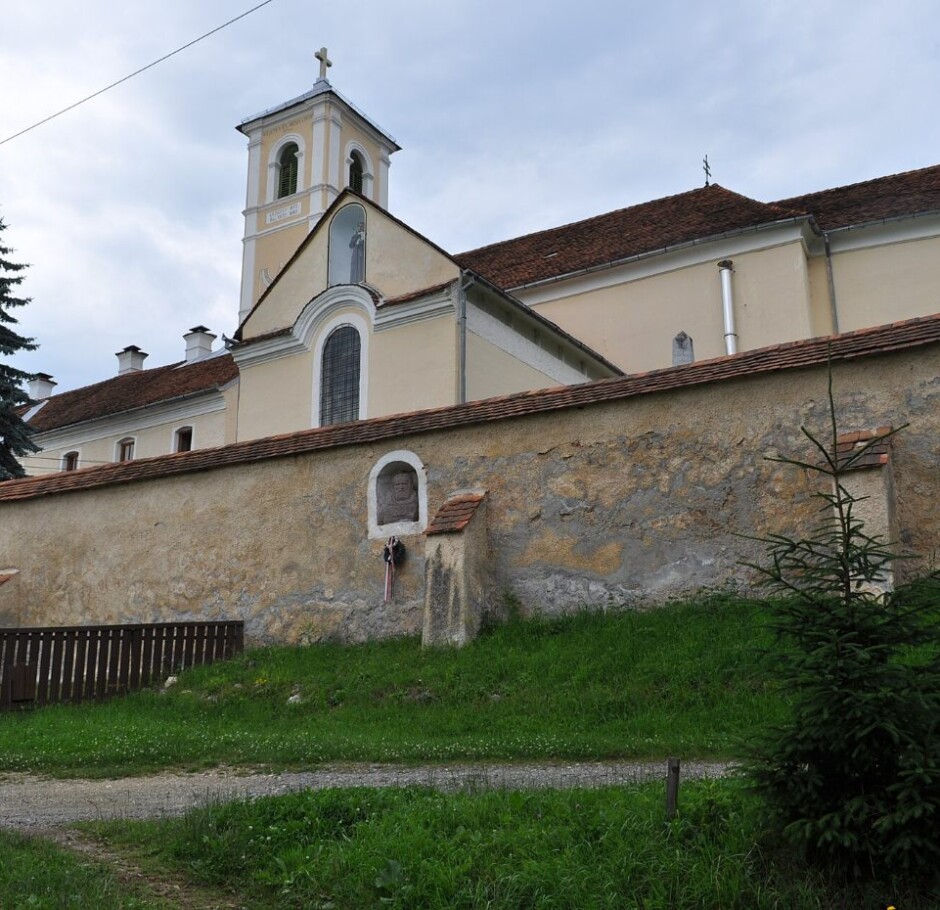
A Lázár-kastély fölött álló barokk ferences kolostor, Kájoni János egykori otthona és a Gyergyói-medence egyik legrégebbi szakrális együttese.
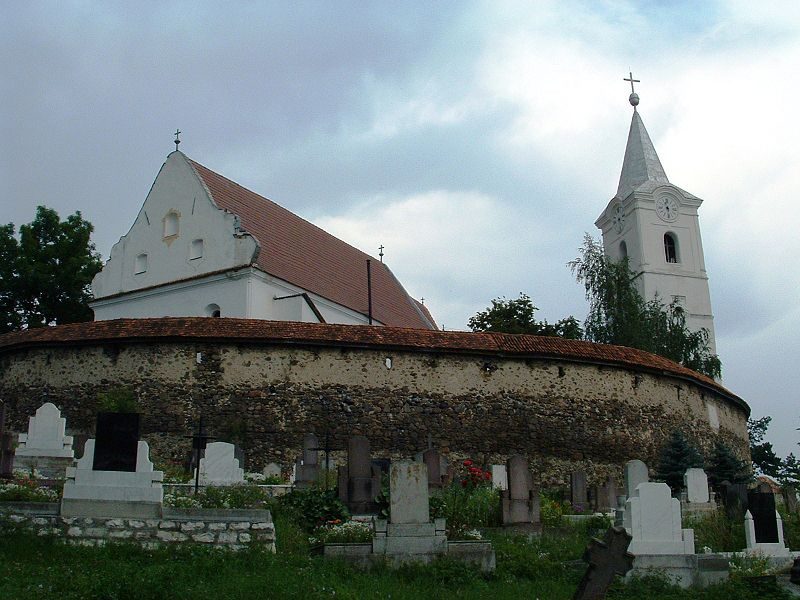
Csík legmagasabb falú erődtemploma: középkori Nagyboldogasszony-templom ovális védőfallal, fedett gyilokjáróval és kaputoronnyal.
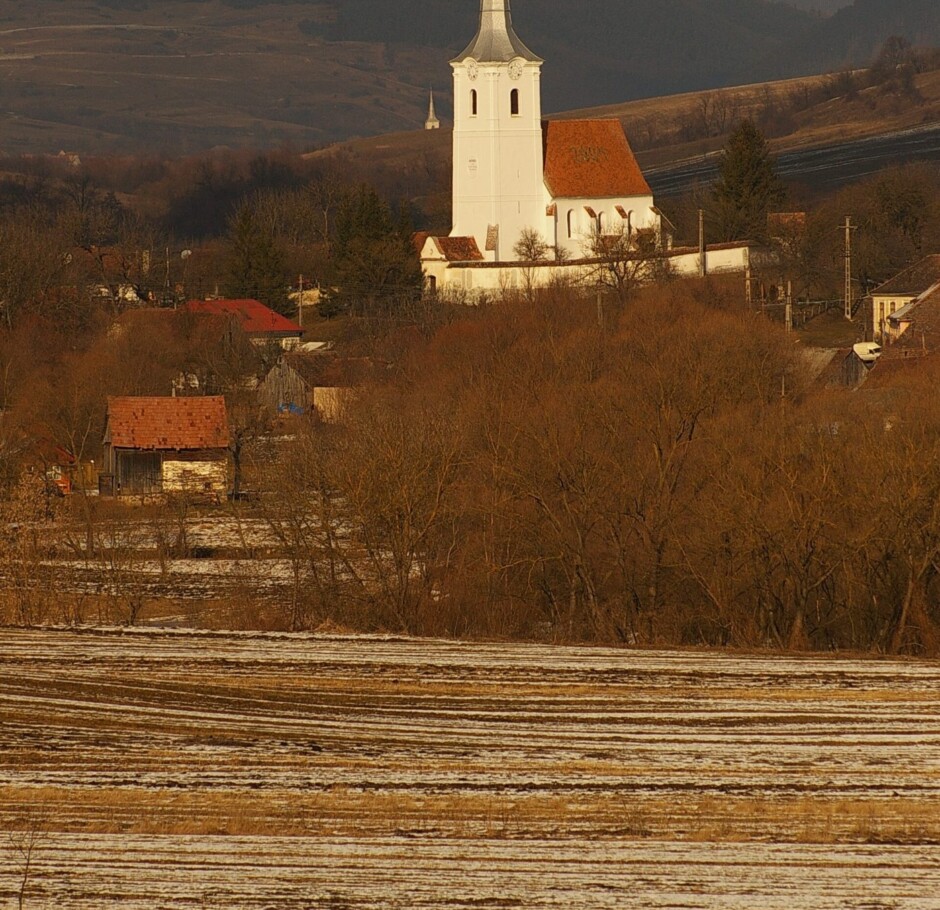
A Homoród menti unitárius templom 2006-ban feltárt, hét jelenetes Szent László-legendával és 18. századi festett kazettás mennyezettel.
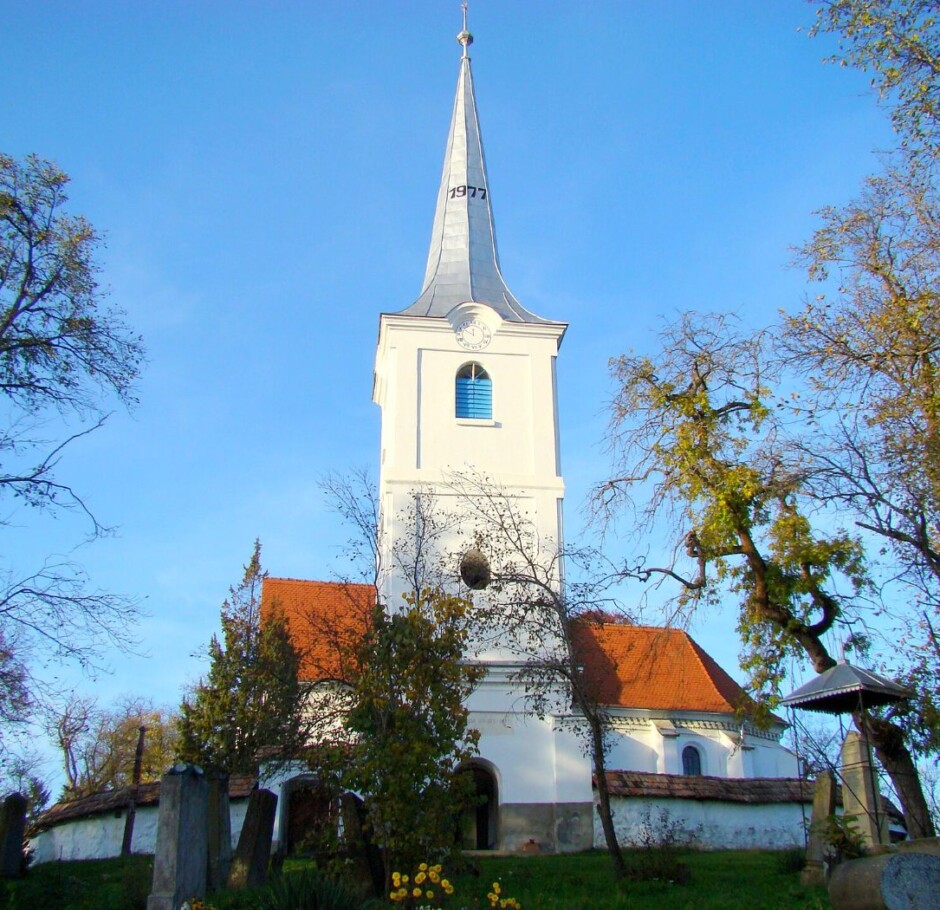
Dombtetőn álló középkori unitárius templom 1668-as festett kazettás mennyezettel és a híres rovásírásos „Egy az Isten” felirattal.
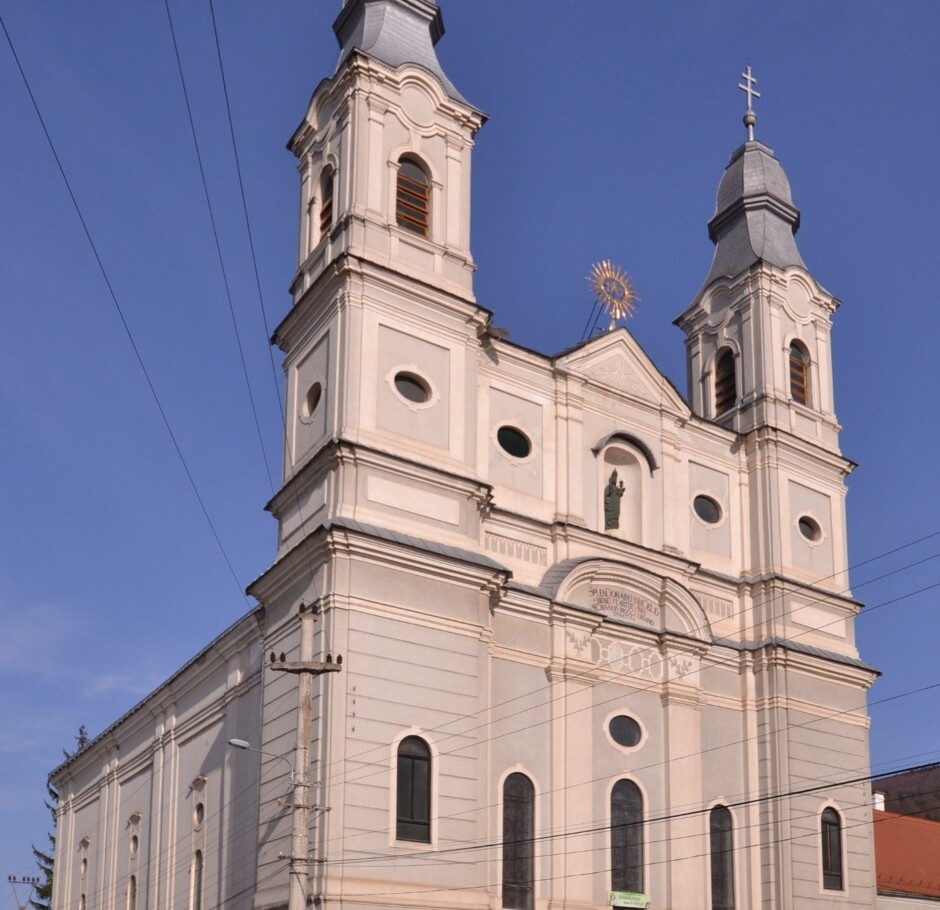
A magyarság egyik legismertebb búcsújáró helye: a 16. század eleji Mária-szobrot őrző barokk bazilika és ferences kolostor Csíkszereda határában.

The monumental ensemble in the Udvarhely region is a UNESCO World Heritage Site. It was built in the 15th century and its ramparts date back to the 17th century. Its greatest value lies in the 15th-century wall paintings inside, of which the most significant is undoubtedly the one depicting the legend of St. Lazarus, painted in 1419 on the order of István Ungi's son, one of the best preserved paintings of St. Lazarus. The inner side of the castle wall was once surrounded by an assassin's gallery, which was dismantled in 1788 when it was no longer needed for defence. An interesting feature of the fortress wall is that the inside was built with colours, where the villagers...