Reformed Church – Vary (Mezővári)
The Reformed church of Mezővári (today Vary), a former market town where the Borzhava meets the Tisza, is the oldest building of the settlement: it stands on the foundations of a 15th-century predecessor and has kept its Gothic details through later rebuildings. A plaque on its wall recalls that in May 1703 the kuruc soldiers of Tamás Esze unfurled the flags of Francis II Rákóczi here, in the market square of Vári.
In the Middle Ages the settlement was the centre of Borsova county and deanery; according to the papal tithe list of 1332 its priest paid eight groschen, which points to a deanery seat. The predecessor of the present church was built in the 15th century and served as a Roman Catholic deanery church. Local tradition holds that the tower was originally a separate structure, also used as a watchtower, and was attached to the building later; as the nearby earthwork castle of Borsova had been destroyed by then, the church, surrounded by a wall with loopholes, may have taken over its defensive role. In 1593 the townspeople embraced the Reformed faith, the church has belonged to the Reformed congregation ever since, and a school was opened beside it at that time.
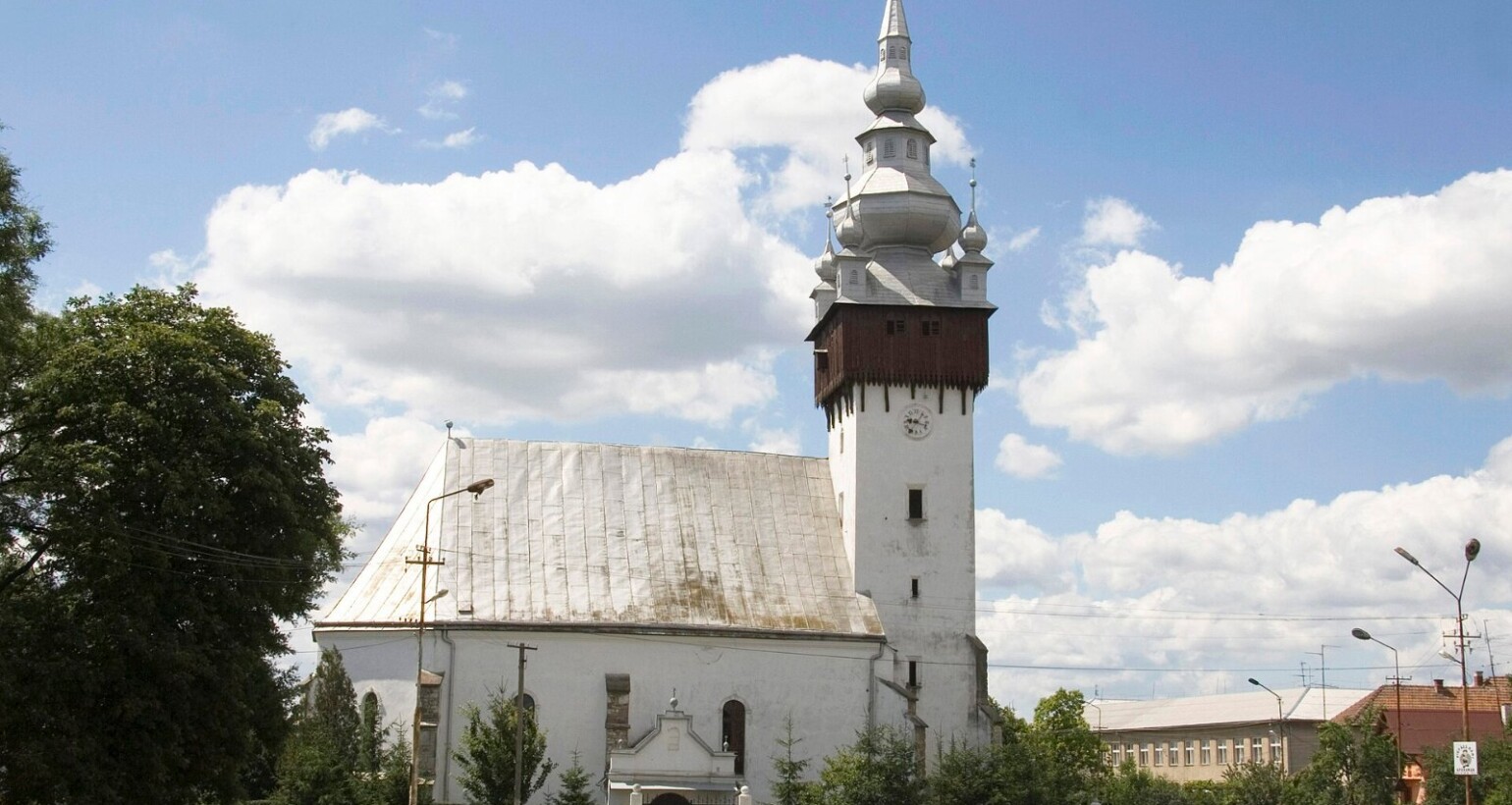
The building was badly damaged in 1657, when the Polish troops of Lubomirski ravaged the region, and again in 1660 by the Ottomans raiding along the Tisza after the capture of Oradea (Nagyvárad). During the repairs the church was enlarged and strengthened with buttresses; it gained its present form and Gothic character in the renewal of 1795, when the tower was also rebuilt and a clock was installed in its upper storey. The whitewashed nave with its saddle roof is joined by a tower ringed by a timber, shingled gallery and crowned with a tin-clad onion spire.
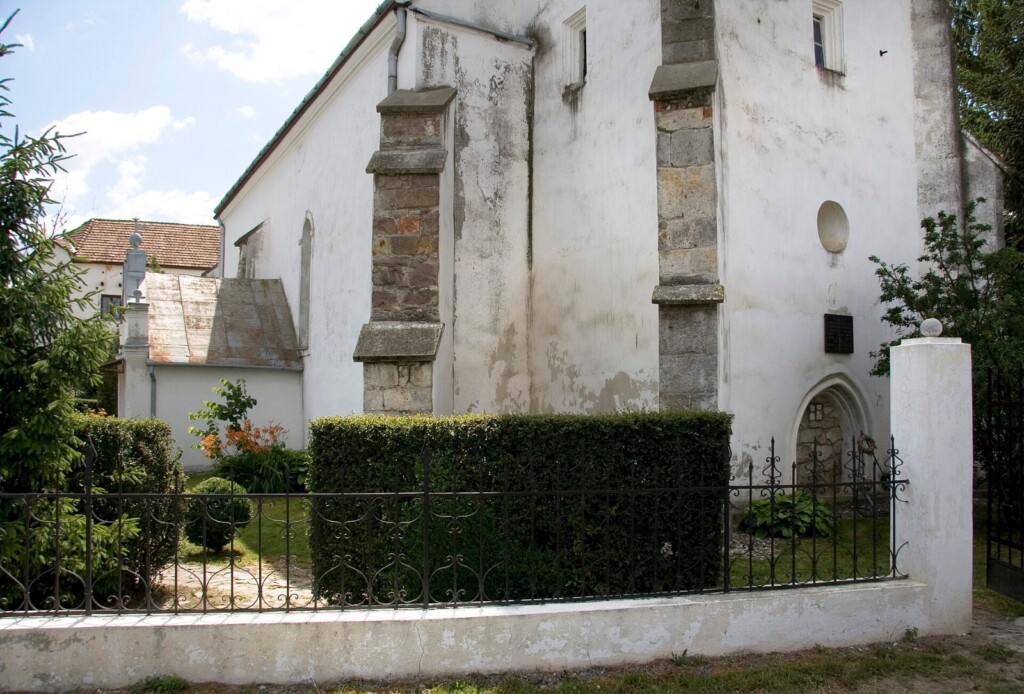
Mezővári is one of the memorable sites of Hungarian history: on 21 May 1703 Tamás Esze and his companions unfurled the flags of the Rákóczi War of Independence here and in Tarpa, and the inhabitants swore loyalty to the prince, who himself stayed in the town in July of the same year. The plaque commemorating the event was unveiled on the church wall in 1989, and every May the Hungarian organisations of Transcarpathia hold a wreath-laying and a festive service there. The church is a listed monument of local importance in Ukraine and was partly restored in the 2000s; nearby stand a memorial to the victims of Stalinist terror and a stone sculpture recalling the war of independence.
Visiting: the church stands in the centre of Vary at 13/A Varoshderek Square, beside the road leading from Berehove towards the Tisza border; Berehove is 11 km away, and the nearest village on the Hungarian side is Tiszakóród. The remains of the Borsova earthwork castle next to the cemetery are also worth a visit. Outside service times the church can be seen by arrangement with the congregation. Before travelling, check the current travel advice of your foreign ministry.
Sources: Wikipedia – Vári (Ukraine) · Wikipedia (Ukrainian) – Вари · Transcarpathian Folk High School Association – Zászlóbontás · Kárpátinfo – At the Zászlóbontás festival (2026) · Wikimedia Commons – Reformed church in Vary
Photo: Dmytro Petishkin / Wikimedia Commons, CC BY 4.0 · Photo: Dmytro Petishkin / Wikimedia Commons, CC BY 4.0
Town:
Vary (Mezővári)