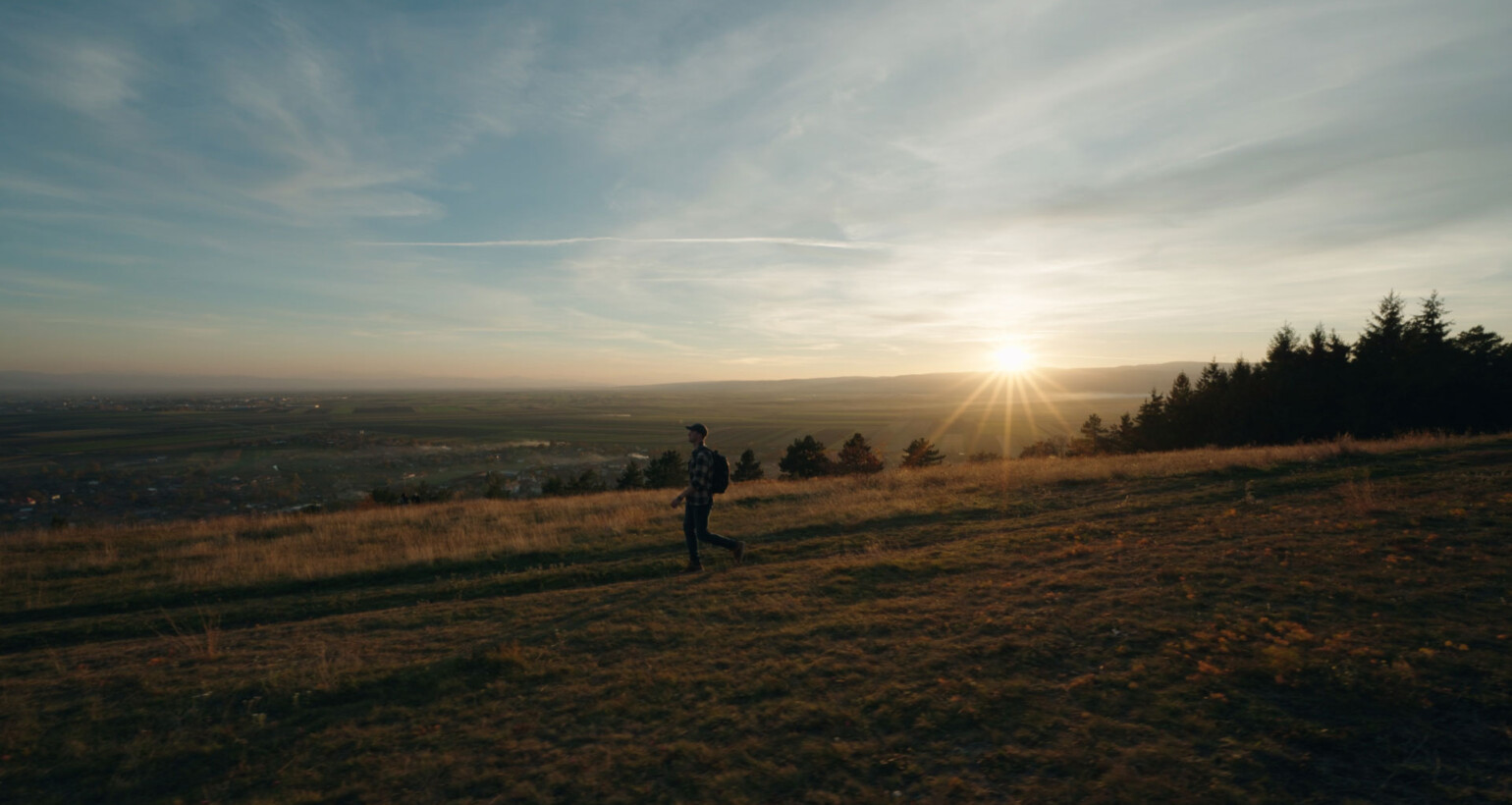
The Latin word peregrinus means stranger or wanderer – and this is where the idea of the pilgrim comes from. A pilgrimage is not simply getting to a shrine: its essence is the journey itself, the silence of walking, the landscape and shared prayer. Székely Land is especially rich in this respect: one of Central Europe's largest pilgrimage routes ends here, and here is the most visited pilgrimage site of the Hungarian people.
Via Mariae – from Mariazell to Csíksomlyó
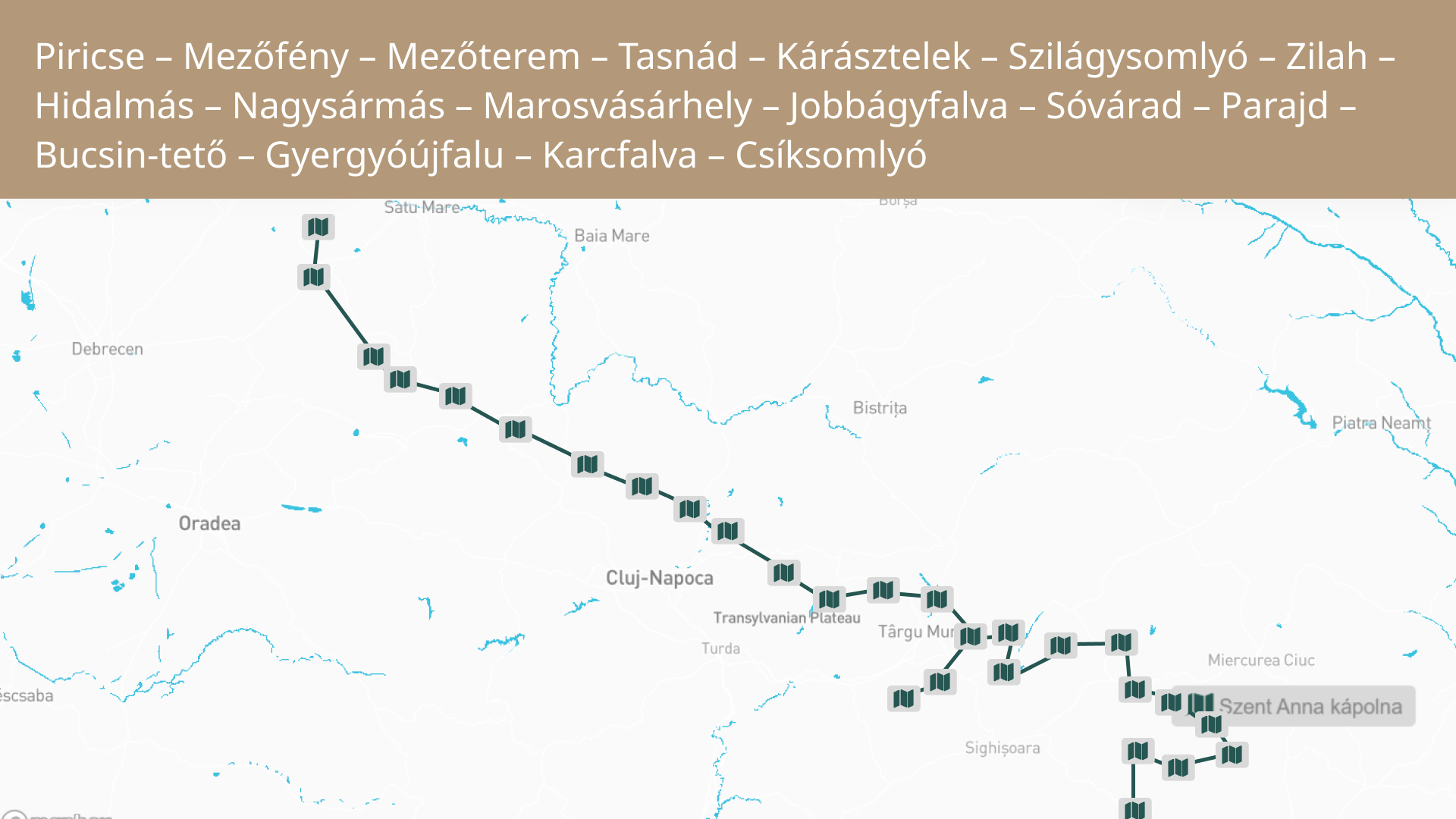
The Via Mariae is a network of pilgrimage routes linking the Marian shrines of Central Europe. Its main axis runs from Mariazell in Austria to Csíksomlyó in Székely Land, over some 1,400 kilometres. It takes roughly sixty days to walk in full, but most people complete it in stages. The route is waymarked, pilgrim lodgings await walkers along the way, and it can also be done by bicycle. In Székely Land, Csíksomlyó, Mikháza and Gyergyószentmiklós are popular starting points.
The Csíksomlyó pilgrimage
Many pilgrims arrive at the Whitsun pilgrimage on foot from the surrounding settlements, organised into processional groups (keresztalja); the stages are typically 20–50 kilometres long. The festive Mass on the Saturday before Pentecost is held in the saddle between Kissomlyó and Nagysomlyó hills, at the open-air Hármashalom Altar – the ceremony has taken place in the open air since the 1990s because the church and its surroundings could no longer accommodate the hundreds of thousands of pilgrims. On 1 June 2019 Pope Francis celebrated Mass here. If you are travelling by train, look out for the special pilgrim trains from Hungary, such as the Székely Gyors and the Csíksomlyó Expressz.

In the footsteps of St Ladislaus
The memory of the knight-king is preserved not only by church murals. Above Csíkszépvíz, on the slope of Kicsi-Pogány-havas, a bell tower has stood since 2012 beside the excavated ruins of a 17th-century chapel; pilgrims come here on 27 June, the anniversary of the king's canonisation. Beside the old path, tradition shows a stone bearing the hoofprint of Ladislaus's horse and a spring called St Ladislaus's Well. According to legend, the name of Csíkszépvíz comes from the king's words: “Drink, my horse, for this is fair water.” On the murals of the St Ladislaus legend Faith Set in Stone .
Practical tips for setting out
- Plan your route and daily distances in advance; for beginners, 15–20 kilometres a day is a realistic goal.
- Bring broken-in waterproof hiking boots, layered clothing and a rain jacket – mountain weather changes quickly.
- Book pilgrim lodgings well in advance, especially around Pentecost.
- Carry enough water, a first-aid kit and a charged phone; mobile coverage may be weak on mountain sections.
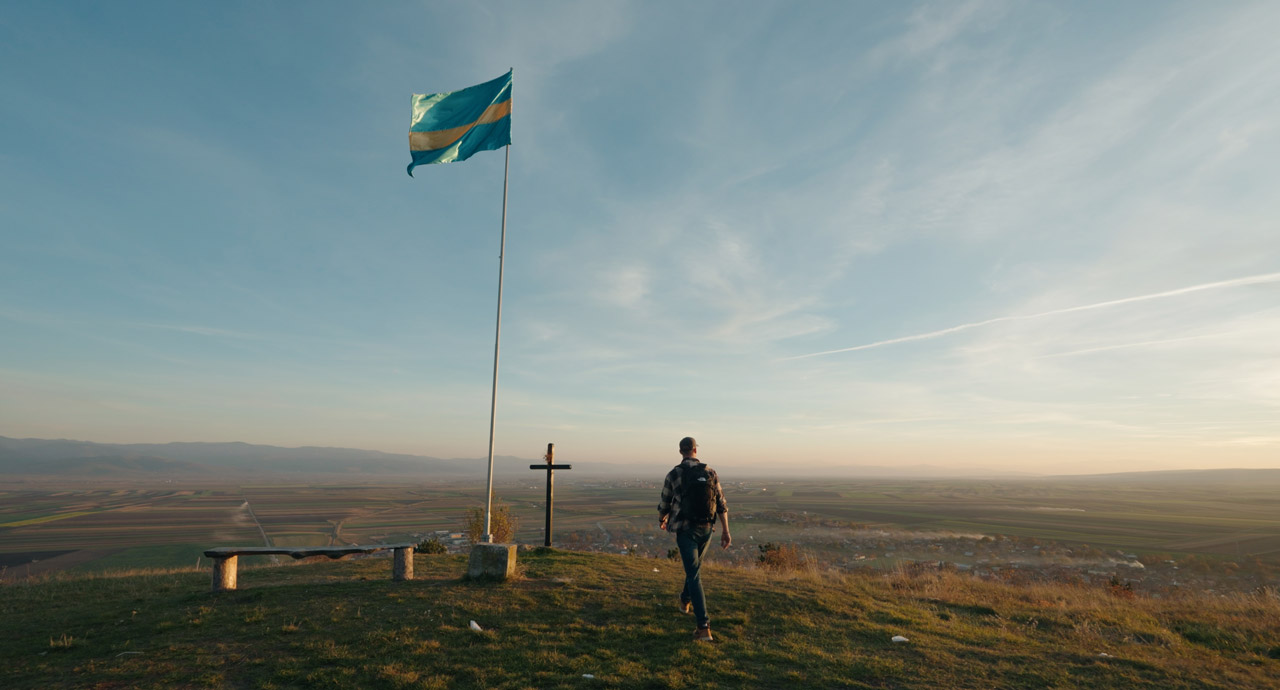
You will find maps, distances and starting points of the routes on the Peregrinus Pilgrimage Routes page. We wish you a good journey and a blessed pilgrimage!