Reformed Church – Feketić (Bácsfeketehegy)
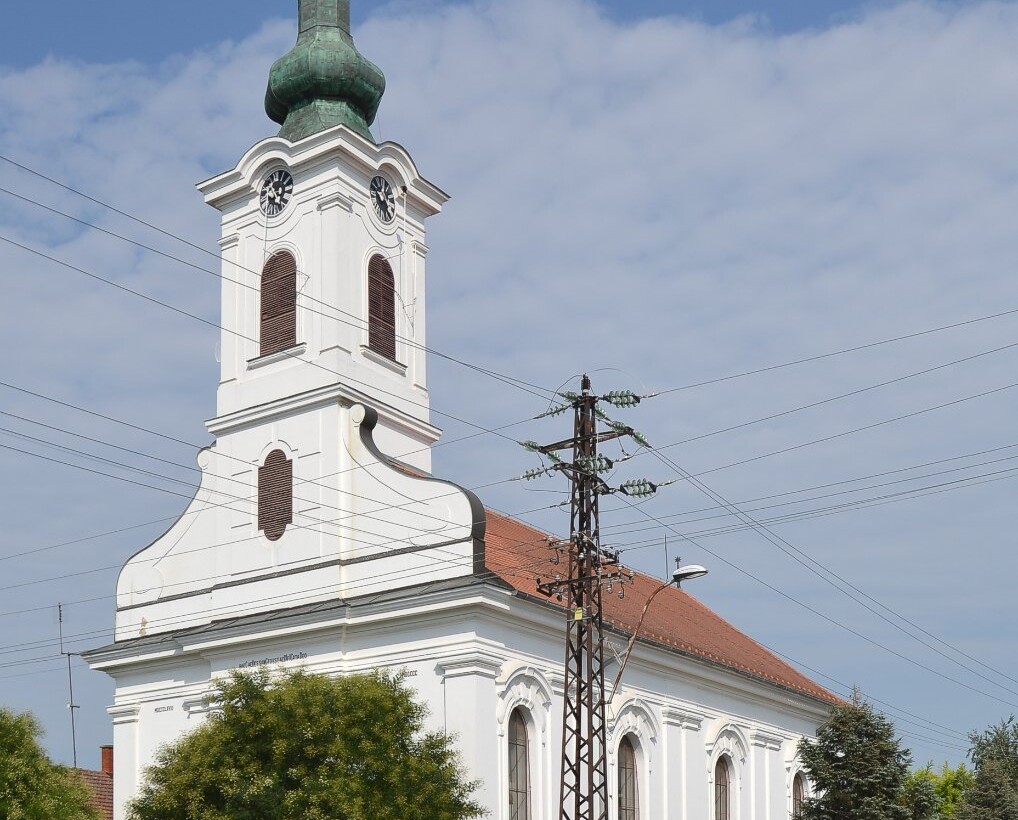
The Reformed church of Feketić (Bácsfeketehegy) is the central building of the largest Hungarian Reformed congregation in Vojvodina and the episcopal seat of the Reformed Christian Church in Serbia. The village was settled in 1785 by Hungarian Reformed families from Kunhegyes and Tiszabura, and the church still standing today was built on the main square in 1802.
Feketehegy is first mentioned in 1466 as an estate of the Maróti family, but it was depopulated in Ottoman times and in the 18th century was a deserted plain of the crown estate of Kula. By a decree of 25 November 1784 Joseph II allowed poor Reformed families leaving Kunhegyes and Tiszabura in the Nagykunság to found a new village here; the first entry in the parish register is dated 29 May 1785. The settlers put up a temporary adobe prayer house, built a parsonage the following year and completed the present church in 1802. From the 1820s Germans moved in from neighbouring Sekić (Szeghegy), soon making up a third of the population and building their own Lutheran church next to the Reformed one.
The most tragic episode in the congregation's history is the "flight of St Mary's Day" on 23 January 1849: after the withdrawal of the Hungarian troops the inhabitants fled from the Serbian insurgents as far as Kiskunhalas and Soltvadkert, the national guardsmen who stayed behind were killed, and the village pastor, József Berhidai Keresztes, died a martyr's death. The people returned to the burnt-out village only after the surrender and rebuilt their homes. The congregational house in front of the church was built in 1877.
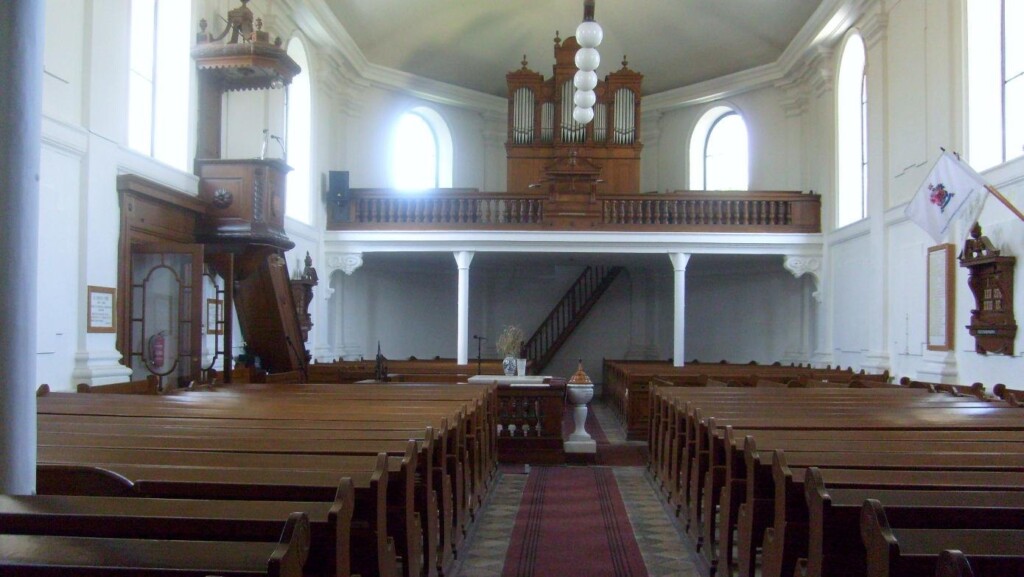
The church, with its façade tower and late Baroque–Neoclassical features, has a spacious, light interior dominated by the galleries and the organ standing on one of them. After the Treaty of Trianon the Reformed communities of the region organised themselves into an independent church, and the leading role was played by a native of the village, the pastor Sándor Ágoston (1882–1960), who became bishop of the Reformed Christian Church in Yugoslavia. With short interruptions Feketić has been an episcopal seat since 1933 and remains the centre of the Reformed Church in Serbia; the congregation has about 2,300 members. The village is also a centre of Hungarian cultural life in Vojvodina, and the church hosts church and cultural events.
Visiting: the church stands in the centre of Feketić at 26 Bratstva Street and, together with the neighbouring former German Lutheran church, forms the village's characteristic skyline. Feketić lies 20 km south of Bačka Topola, next to Mali Iđoš, near the Novi Sad–Subotica main road. The church is open at service times; at other times ask at the pastor's office.
Sources: Wikipedia – Bácsfeketehegy (Feketić) · Vojvodina Travel – The Reformed Church, Feketić · Wikipedia – Sándor Ágoston · Wikimedia Commons – Reformed Church (Feketić)
Photo: Pudelek (Marcin Szala) / Wikimedia Commons, CC BY-SA 3.0 · Photo: Sandor Bordas / Wikimedia Commons, CC BY-SA 3.0
Town:
Feketić (Bácsfeketehegy)