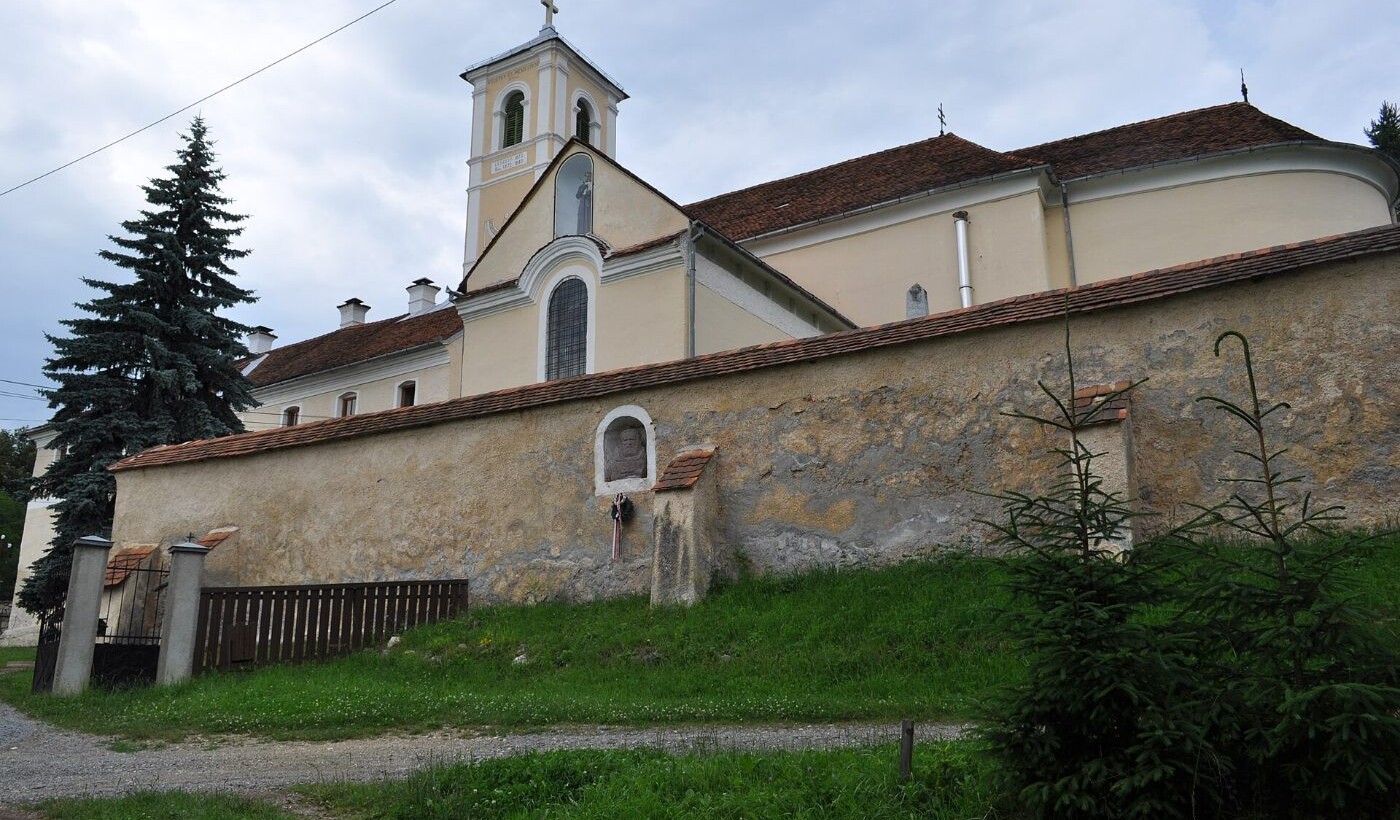
When we talk about the Székely Land Catholic tradition, we cannot avoid mentioning the Franciscans. The monasteries of the brown-cloaked monks also kept their faith alive in the people of Csík, Gyergyó and Kászon even after the storms of the Reformation – and at the same time they operated schools, a printing press and libraries.
The defenders of faith after the Reformation
After the Reformation in the 16th century, monastic life virtually disappeared in Transylvania: at the beginning of the 17th century, there were only monks living in the monastery of Csíksomlyó. Since there were few lay priests, the main protagonists of the Catholic revival were the Franciscans. By the middle of the 17th century, four monasteries – Csíksomlyón, Mikházán, Fehéregyházán and Nyújtódon – were operating again, and from here the new expansion of the order began.
Csíksomlyó – the mother monastery
The monastery in Csíksomlyó was founded in 1442, and its first Gothic church was built between 1442 and 1448. The monastery was not only a place of worship but also an educational center: its gymnasium is mentioned as early as 1630, its printing press is linked to the name of Kájoni János, and here the famous Cantionale Catholicum was also published. The present Baroque basilica was consecrated in 1876. Detailed description of the church temple in Csíksomlyó
Mikháza – the monastery on Nyárád river
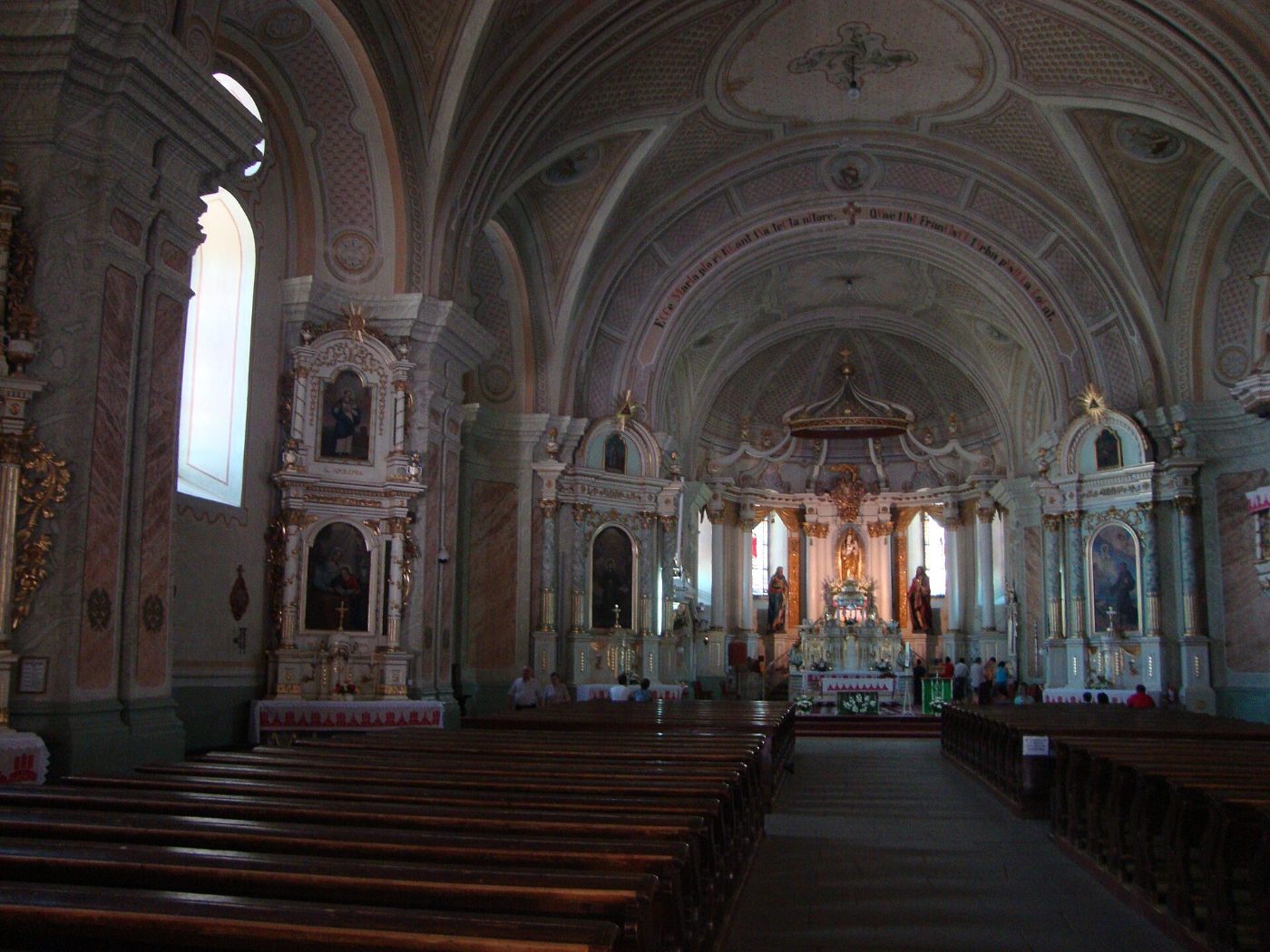
In 1635, the Franciscans who arrived in Marosszék bought a house and land in Mikházán from Tholdalagi Mihály, the chief kapitan of Marosszék. His late Renaissance church was completed in 1678; the monastery operated as a school for more than a century. In 1949, the monks had to leave. Detailed description of the Mikha Monastery
Gyergyószárhegy – János Kájoni’s home
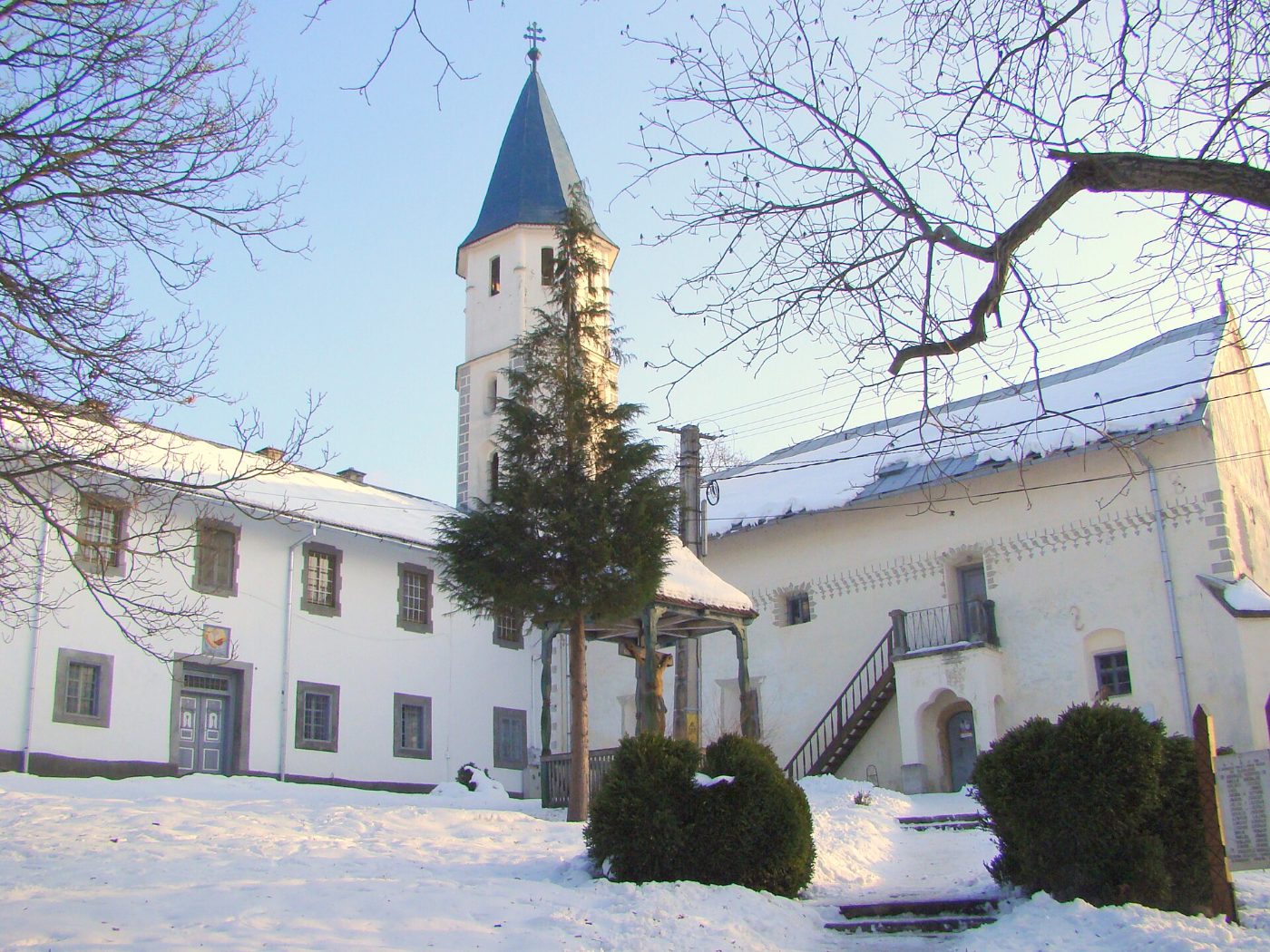
The construction of the monastery above Lázár Castle began in 1642 when István Lázár invited Franciscans to Szárhegy; in 1665, the younger István Lázár donated the chapels and the land to the order. Here, János Kájoni, one of the most educated Transylvanian monks of the time, lived and died in 1687. Detailed description of the monastery in Szárhegy
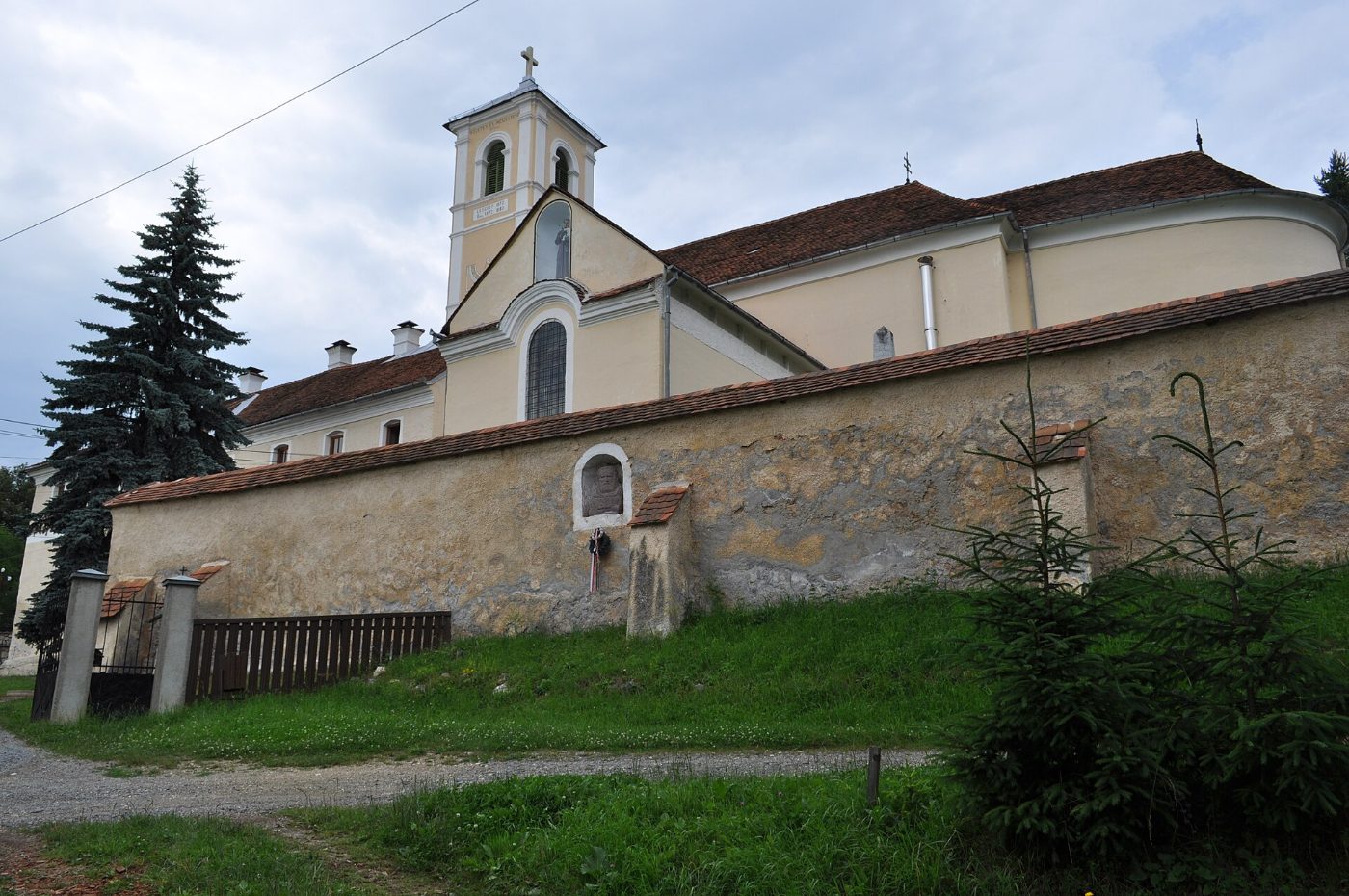
Esztelnek – Franciscan Center of Háromszék
The Franciscans settled Esztelnekhere in the last quarter of the 17th century. The present church was built between 1710 and 1729 using elements from the old St. George Chapel; the stone monastery was completed in 1750. It was rebuilt after the 1921 fire. Detailed description of the monastery in Esztergom

Székelyudvarhely and Kanta
SzékelyudvarhelyThe Franciscans arrived as early as 1492, the foundation of the present monastery dates back to 1706; the construction of the church dedicated to Saints Peter and Paul began in 1730. In the town section of Kézdivásárhely named Kanta, the related order, the Minorites, settled at the end of the 17th century: their Church of the Trinity was built between 1727 and 1795, and their school was one of the oldest institutions in Háromszék.
Visitor advice
- The monastery chapels are usually open during the day, but the monastery buildings are the monks' homes – they can only be visited with a special permit.
- About the farewell days of the Franciscan shrines In our celebration day You can get informed.
- The Mary Way also touches several Franciscan monasteries – about the pilgrimage by foot Being on the way We wrote about it in our article titled "The Hungarian Paradox".
The photos from Cismonul Moldovenesc, Mihăeşti and Săhrăghie are sourced from Wikimedia Commons (authors: Mycroshop, Țetcu Mircea Rareș; CC BY 3.0, CC BY-SA 3.0).