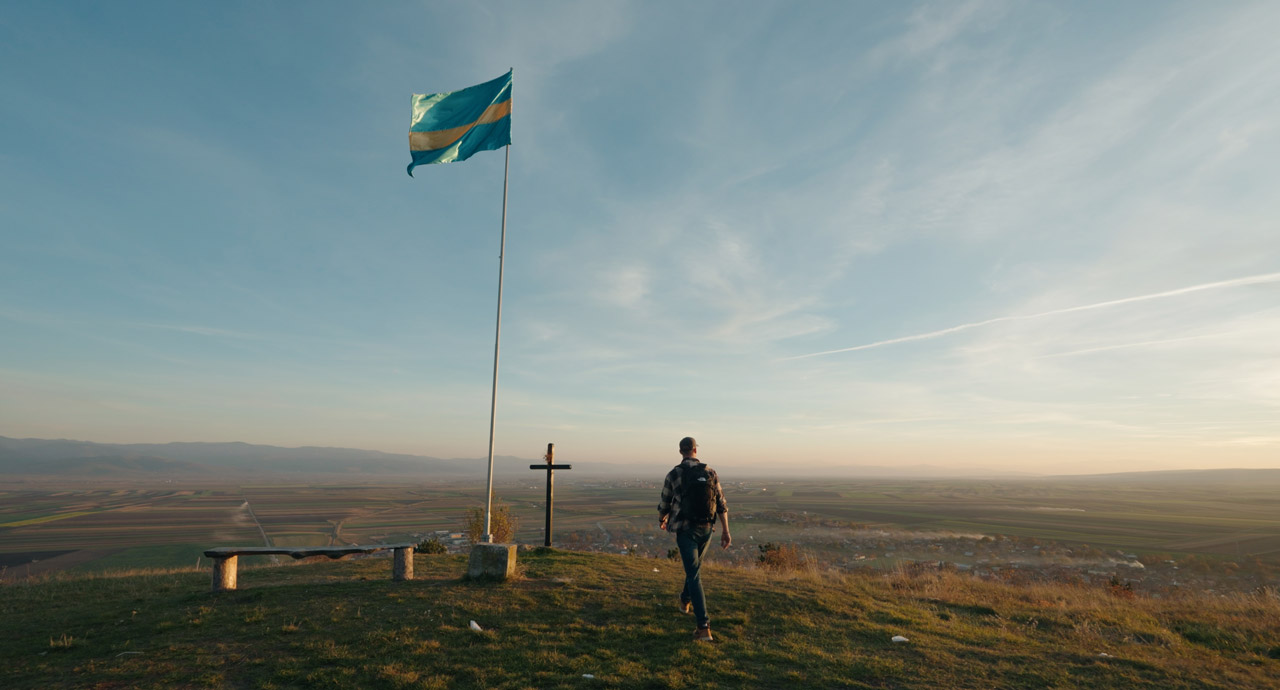
The Latin peregrinus word originally meant an alien, a stranger, a traveler – later it became the term pilgrimage as well. The word clearly shows that religious pilgrimage has always meant two things at once: stepping out of the usual and arriving somewhere that is more than just ourselves. But what do we mean by religious tourism today?
Pilgrimage, tourist – and what lies between the two
International tourism statistics (UN Tourism, IRTS 2008) consider religious tourism and pilgrimage as separate categories among the main travel objectives. According to the literature, we speak of religious tourism when the primary purpose of the journey is to visit places, routes, and holidays of significant religious significance, or to participate in religious events.
According to anthropologist Valene Smith, the pilgrim and the tourist are not two separate worlds, but two ends of a spectrum: on one side is the pilgrim with purely religious motives, on the other is the tourist traveling purely out of curiosity – and between the two stands the religious tourist, who seeks both spiritual experience and cultural value at the same time.
Forms of religious tourism
- Pilgrimage – on foot or in an organized group, on a spiritual path towards a shrine (for example, the Maria Street or the pilgrimage to Csíksomlyó).
- Sacred and farewell visits – participation in a church celebration, farewell, communion.
- Religious heritage tourism – visiting churches, monasteries, chapels and painted ceilings, even along thematic trails.
- Mental programs – spiritual retreats, church camps, silent days in the monastery environment.
A resistant sector
According to estimates, hundreds of millions of people visit the world’s major religious sites each year. The Bethlehem Declaration adopted in 2015 at the conference of UN Member States (then UNWTO) described religious tourism as a market segment more resistant to external crises, which also creates value for the host communities. However, there is no reliable, separate religious tourism statistics in Hungary and Romania.
Csíksomlyó – a pilgrimage in numbers
The Pünkösdi Pannonian Way pilgrimage shows how the significance of a pilgrimage site changes. At the beginning of the 20th century, 30–40 thousand pilgrims arrived, in 1926 about 60 thousand. From 1950, the pilgrimage was practically banned; in 1968 there were only about ten thousand participants. Since the 1990s, more and more people have been arriving for the pilgrimage every year; more than 110 thousand registered for Pope Francis’s 2019 Mass.
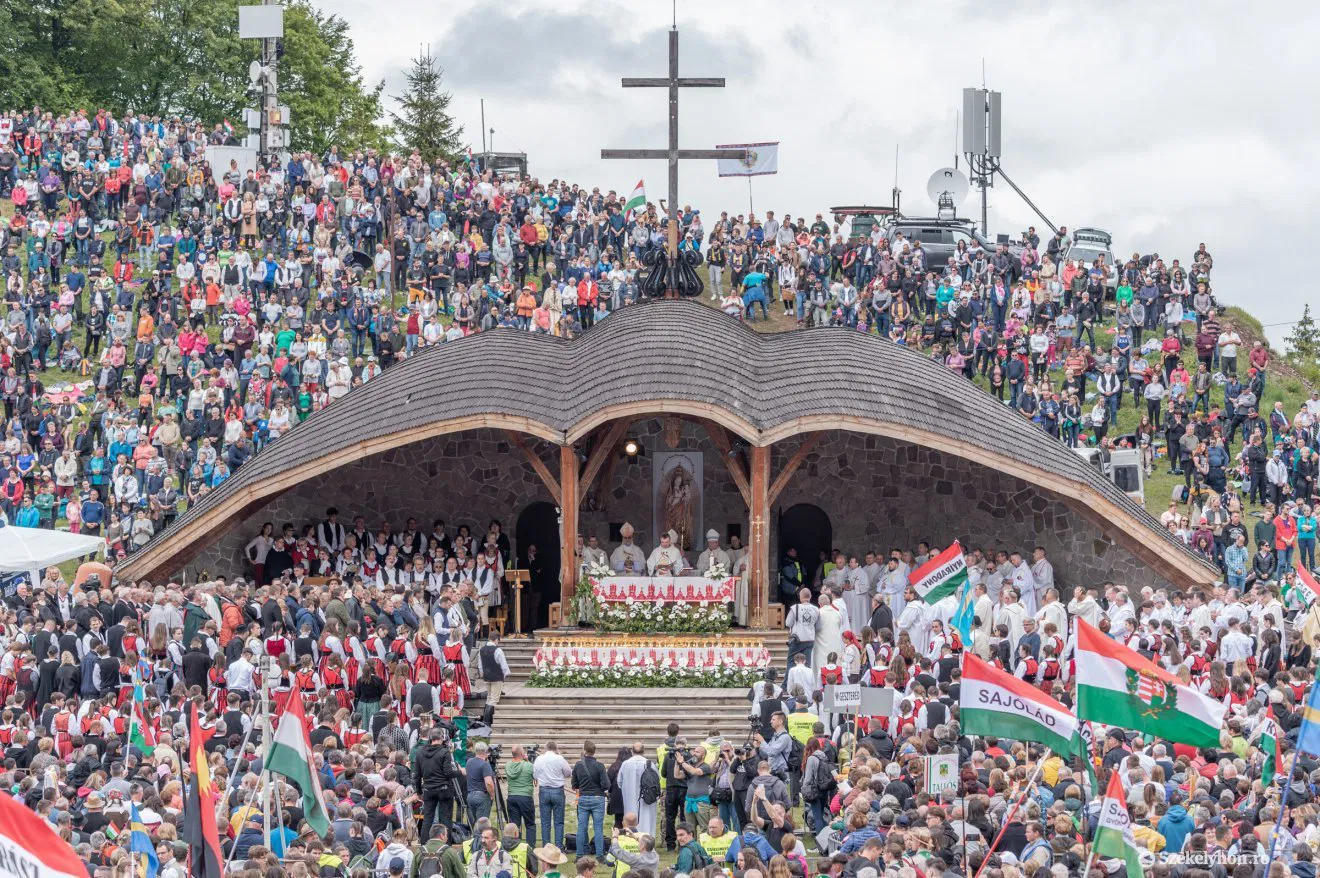
Székely Land its offer
Székely Land Religion tourism offers almost all forms of it in a relatively small area: from the Szeklerderzs castle fortress that is part of UNESCO World Heritage List to the Franciscan chapels and the farewell of the mountain chapels. What Peregrinus it wants to help with:
- a Featured Sites Among the detailed descriptions of the churches and monasteries you will find,
- the on an interactive map and on the Pilgrim Routes page you can plan your route,
- Our holiday and the Events Calendar helps in choosing the appropriate time.
The respectful visitor
The religious tourist is in the sacred place of a living community. Dress appropriately, do not disturb the ceremonies, ask permission before taking photos, and if you can, support the maintenance of the church or monastery with your donation. In this way, the journey will not only be an experience but also an encounter.